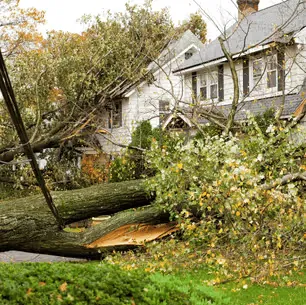
We're inland here in Raleigh and the Triangle, but that doesn't mean we're out of reach. Atlantic hurricane season runs from June through November, and by the time a storm system moves this far inland, it's usually weakened — but it's still capable of dropping heavy rain over a short window, downing trees and power lines, and pushing water into homes that have never flooded before.
The damage we see after these systems move through isn't usually a dramatic before-and-after photo. It's a roof that let water in during 6 inches of rain, a crawl space that took on water because a downspout was clogged, or a tree limb that opened up a section of roofline. Here's how to be ready.
Before a storm is in the forecast
Check your roof and gutters now, not during the warning. Clear gutters and downspouts so rainwater actually moves away from your foundation. Look for loose or missing shingles, since a small gap becomes a real leak under sustained rain and wind.
Know your home's water shut-off valve and breaker panel. If a storm causes flooding or an electrical hazard, you don't want to be searching for these in the dark.
Trim back branches near your roofline. Limbs that overhang your house are one of the most common causes of storm-related roof damage in the Triangle.
Take photos of your property now. A simple walk-around with your phone, dated and saved, gives you a clear "before" record if you ever need to document storm damage for an insurance claim.
Have a plan for portable equipment. If you have a sump pump, make sure it works and that you have a backup power source in case of an outage — power loss during heavy rain is one of the most common reasons crawl spaces and basements flood.
When a storm is approaching
Move outdoor furniture, grills, and anything that can become a projectile in high wind into a garage or shed. Charge phones and any backup batteries. If you're in a flood-prone area of Wake, Durham, Johnston, or Orange County, know your evacuation route before you need it, not after.
If your home takes on damage
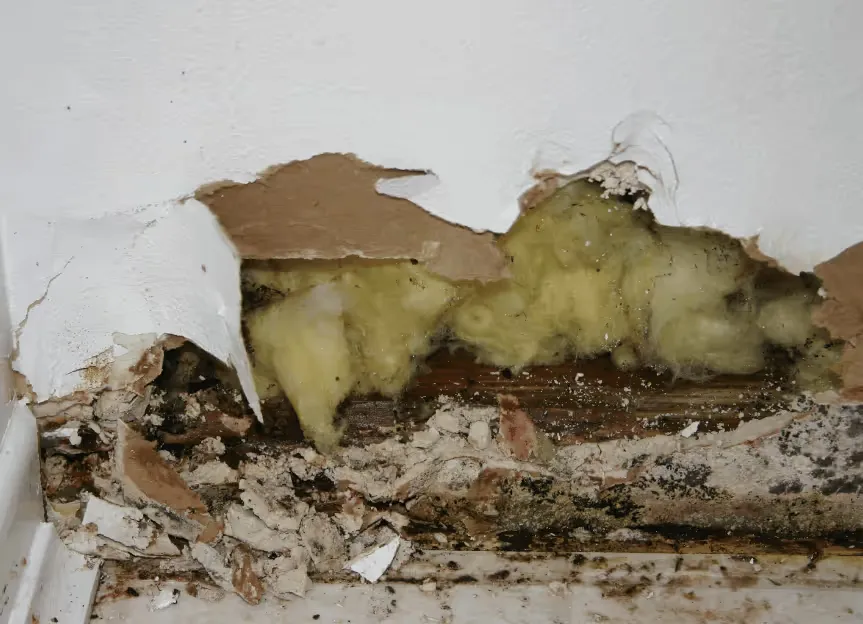
Once it’s safe to do so, document the damage with photos before you move or remove anything. If water has entered your home, treat it the same way you would a burst pipe: get it out fast. Standing water left for 24–48 hours creates the conditions for mold, on top of whatever the storm already damaged.
If your roof was compromised, a tarp is a short-term fix, not a solution — trapped moisture under a tarp can cause as much damage as the original leak if it's not addressed properly.
This is exactly the kind of situation where having one team handle everything matters. We assess storm damage, extract water, dry the structure, and move into roof repair or full reconstruction — all with the same crew, so nothing falls through the cracks between "cleanup" and "rebuild."
We're ready when the storm passes
Triangle Restoration is locally owned and based right here in Raleigh — when a storm comes through the Triangle, we're dealing with it too, which is exactly why we're built to respond fast. Our IICRC-certified crews are on call 24/7/365, we work directly with your insurance company, and we handle everything from tarping and drying through full reconstruction.
If a storm has damaged your home or business anywhere across Wake, Durham, Johnston, or Orange County, call us at (919) 752-5142 — day or night.