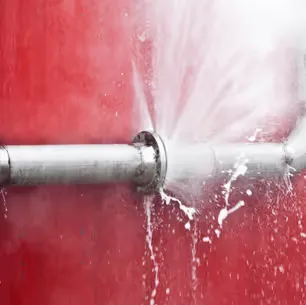
A burst pipe doesn't wait for a good time to happen. It's usually the middle of the night, the week you're out of town, or the coldest morning of the year. And once it starts, it doesn't stop on its own — water finds every low point in your home and keeps going until someone shuts it off.
If it's happening to you right now, call us first: (919) 752-5142. We're on call 24/7/365. Then, while help is on the way, here's what actually matters in the first 24 hours.
1. Shut off the water — don't just mop
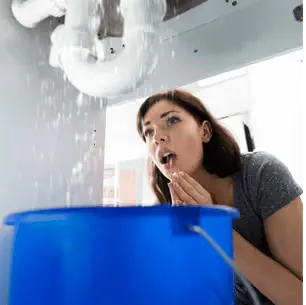
Find your home's main water shut-off valve and turn it off before you do anything else. In most Raleigh-area homes, it's near the water meter, in the basement, crawl space, or a utility closet. If you can't find it or it won't budge, shutting off the valve at the fixture that's leaking (under a sink, behind a washing machine, at the toilet) can buy you time.
Mopping up water before the source is stopped is a losing battle — get the water off first.
2. Cut the power to affected areas, if it’s safe to do so
Water and electricity don't mix. If water is pooling near outlets, switches, or anything plugged in, and you can safely reach your breaker panel without stepping through standing water, shut off power to that area. If you're not sure it's safe, don't risk it — wait for a professional.
3. Get valuables and furniture up and out
Move rugs, furniture legs, boxes, and anything on the floor to dry ground. Photos, documents, and electronics should come first. Every extra minute in standing water makes the difference between "dry it out" and "replace it."
4. Document everything before you touch it
Take photos and video of the damage — the source, the standing water, and anything affected — before you start cleanup. This matters more than most homeowners realize when it's time to file an insurance claim. We work directly with insurers and document damage thoroughly on our end too, but your own timestamped photos are the first record of what happened.
5. Don't wait to call for water extraction
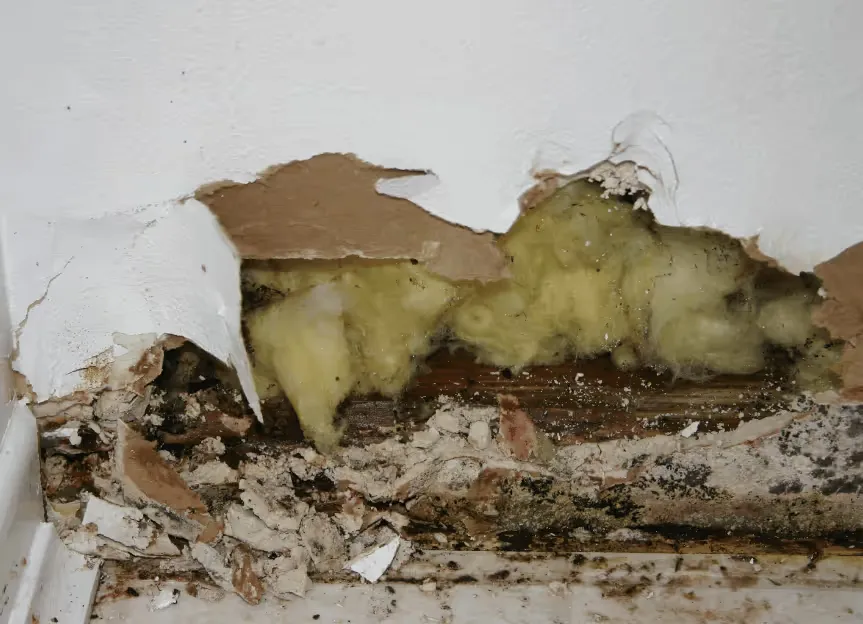
This is the part people underestimate. Water that sits for more than 24–48 hours creates the conditions for mold growth, and drywall, subflooring, and insulation that stay wet start breaking down fast. A wet-vac and a box fan from the garage won’t get water out of your walls or under your flooring — that takes commercial extraction and drying equipment.
Our IICRC-certified crews respond fast across Raleigh, Cary, Apex, Durham, and the rest of the Triangle, and we bring the equipment to actually dry a structure, not just the visible surface.
What happens when we arrive
We assess the damage, identify what's affected below the surface (not just what you can see), and start extraction and drying immediately. From there, we handle the full process — mitigation, drying, sanitizing, and reconstruction if repairs are needed — with one crew from start to finish, and we bill your insurance company directly so you're not stuck fronting the cost or chasing paperwork.
Don't wait on a burst pipe
Every hour water sits in your home raises the cost and the risk of mold. If you're dealing with a burst pipe anywhere in Wake, Durham, Johnston, or Orange County, call Triangle Restoration now: (919) 752-5142. We're local, we're available around the clock, and we'll be on our way.