
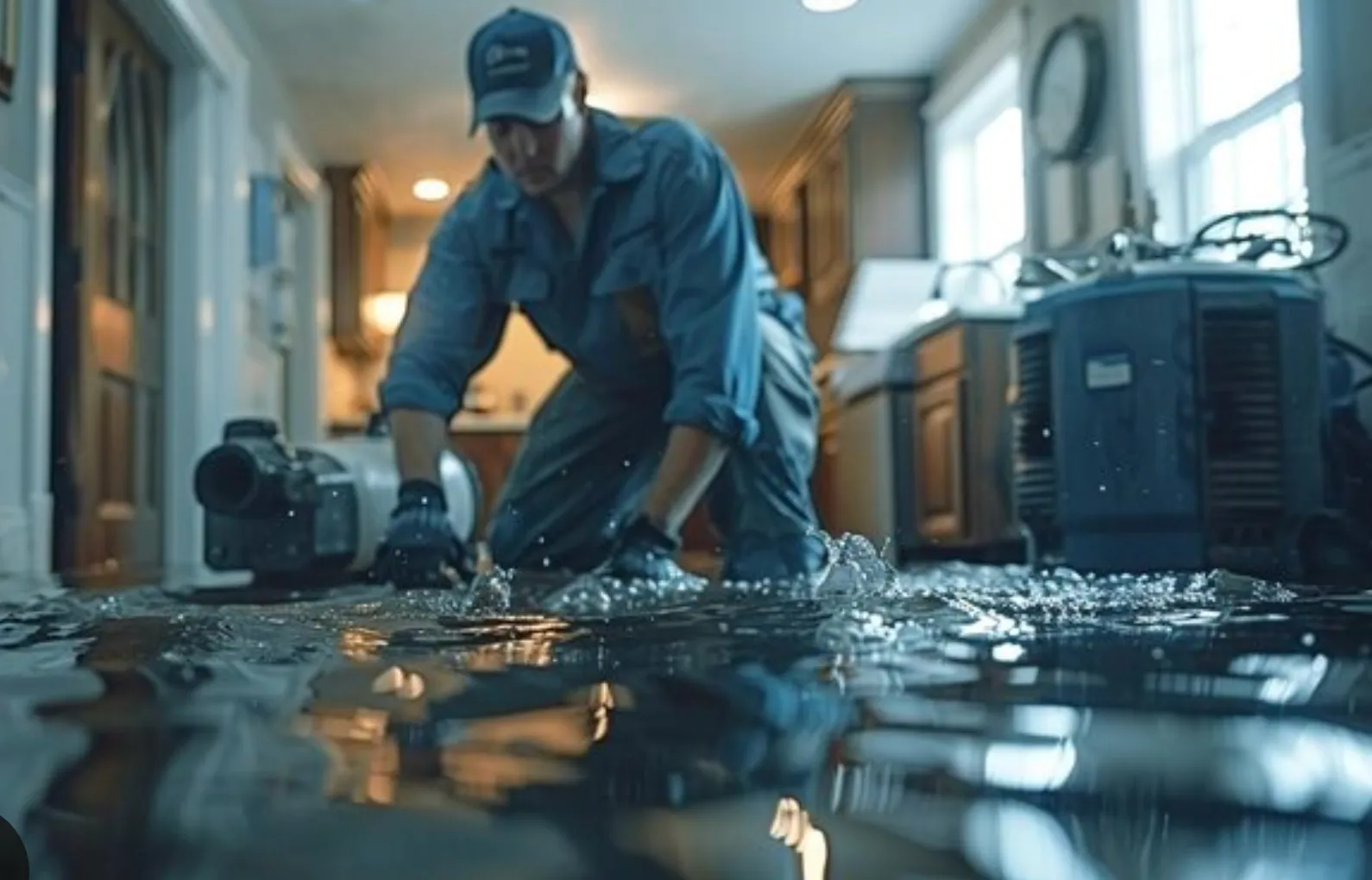
Flood Damage Restoration in Raleigh, NC
Flooding from heavy rain, hurricanes, and overflowing creeks brings a serious problem standard water leaks don’t: large volumes of dirty, often contaminated water full of mud, bacteria, and debris. Triangle Restoration responds 24/7 to extract floodwater, clean and sanitize your property, dry it thoroughly, and handle the repairs — safely and to IICRC standards — across Raleigh and the Triangle.
- IICRC-Certified
- BBB Accredited
- 24/7 Emergency Response
- Free Estimates
- Direct Insurance Billing
- Financing Available
- Locally & Family Owned
Fast, Safe Cleanup After a Flood
Flood damage is more than just water on the floor. Floodwater enters from outside and usually carries contaminants — soil, sewage, bacteria, and debris — that demand specialized cleaning and sanitation, not just extraction and drying. Triangle Restoration is a locally owned, IICRC-certified team that manages the entire flood recovery: removing the water, hauling out mud and ruined materials, disinfecting the space, drying the structure, and rebuilding what was lost.
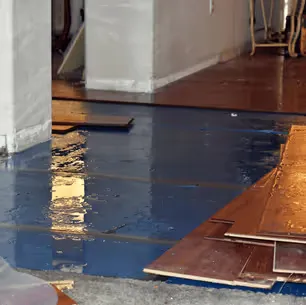
Common Causes of Flooding in the Triangle
Hurricanes & tropical storms
Heavy, sustained rainfall that overwhelms drainage.
Severe thunderstorms & flash flooding
Fast-rising water with little warning.
Overflowing creeks & rivers
Common near the Triangle’s many waterways and low-lying areas.
Poor drainage & grading
Water pooling around and entering the foundation.
Basement & crawl space flooding
Low areas where water collects and lingers.
Sump pump failure
Especially during prolonged or heavy storms.
Time Matters
Why Floodwater Needs Special Handling
Most floodwater is considered Category 3 — "black water" — meaning it’s contaminated and can pose health and safety risks. It often carries sewage, chemicals, mud, and bacteria, which is why flood cleanup goes well beyond standard water removal. Porous materials like carpet, padding, and saturated drywall usually can’t be safely salvaged after contaminated flooding and must be removed. And like any water intrusion, flooding can lead to mold within 24 to 48 hours. Our crews follow strict IICRC protocols to clean, sanitize, and dry your property safely.
Our Flood Damage Restoration Services
Emergency Floodwater Extraction
We remove standing floodwater fast with commercial-grade pumps and extraction units to limit how far the damage spreads. See Water Damage Restoration.
Learn moreMud, Silt & Debris Removal
Floods leave behind mud, silt, and debris. We clear it out and remove contaminated materials that can’t be salvaged.
Cleaning, Sanitizing & Disinfecting
Because floodwater is contaminated, we thoroughly clean and disinfect affected areas following IICRC Category 3 protocols to make your property safe again.
Structural Drying & Dehumidification
We dry the structure with professional air movers and dehumidifiers, monitoring moisture so nothing stays damp behind the walls.
Mold Prevention & Reconstruction
We address conditions that invite mold and rebuild what the flood destroyed — from flooring and drywall to full reconstruction. See Mold Remediation and Reconstruction.
Learn more
Our Flood Damage Restoration Process
- 01
Free assessment & safety check
We assess the flooding, identify contamination and hazards, and plan the safest path forward.
- 02
Floodwater extraction
We pump out and extract standing water quickly.
- 03
Muck-out & material removal
We remove mud, debris, and contaminated materials that can’t be saved.
- 04
Cleaning, sanitizing & deodorizing
We disinfect the space to Category 3 standards and remove odors.
- 05
Drying & dehumidification
We dry the structure completely and monitor moisture levels.
- 06
Repair & reconstruction
We rebuild the damaged areas so your property is whole again.
Insurance Support
Flood Damage & Insurance: What to Know
Here’s something many property owners don’t realize: standard homeowners insurance usually does not cover damage from external flooding and rising water — that typically requires a separate flood insurance policy (such as through the National Flood Insurance Program). Damage from internal sources like a burst pipe is handled differently and may fall under your regular policy. We can’t determine your coverage for you, so we recommend checking your policy, but we document everything thoroughly and work with your insurer wherever coverage applies.
- State Farm
- Allstate
- Farmers
- GEICO
- Liberty Mutual
- Nationwide
- Travelers
- MetLife
- AIG
- Mercury Insurance
- Allied Insurance
- All Others Accepted
And all other carriers. Triangle Restoration works with insurance companies of every size and keeps documentation organized for your adjuster from start to finish.
Why Raleigh Chooses Triangle Restoration
Call 24/7: (919) 605-8022IICRC-certified for contaminated water
Trained to handle Category 3 floodwater safely.
Available 24/7/365
We respond fast when flooding hits, day or night.
One team from extraction to rebuild
Cleanup, sanitizing, drying, and reconstruction in-house.
Locally & family owned
We know the Triangle’s flood-prone areas and weather.
Flood Damage Restoration Across the Triangle
We provide flood damage restoration in Raleigh, Cary, Apex, Durham, Chapel Hill, Wake Forest, Holly Springs, Fuquay-Varina, Garner, Clayton, and throughout Wake, Durham, Johnston, and Orange counties.
- Raleigh
- Cary
- Apex
- Wake Forest
- Holly Springs
- Fuquay-Varina
- Garner
- Morrisville
- Knightdale
- Wendell
- Zebulon
- Rolesville
- Durham
- Bahama
- Rougemont
- Gorman
- Bethesda
- Clayton
- Smithfield
- Selma
- Benson
- Four Oaks
- Archer Lodge
- Chapel Hill
- Carrboro
- Hillsborough
- Efland
What Our Neighbors Say
Flood Damage Restoration FAQs
What’s the difference between flood damage and water damage?
It mostly comes down to the source. "Flood damage" generally refers to external, rising water that enters from outside — storms, overflowing creeks, flash floods — and is usually contaminated. "Water damage" often refers to internal sources like burst pipes or appliance leaks. The distinction matters for both cleanup and insurance.
Is floodwater dangerous?
It can be. Most floodwater is Category 3 ("black water") and may contain sewage, chemicals, mud, and bacteria. Avoid contact, keep clear of electrical hazards, and let trained professionals handle the cleanup with proper equipment.
Does homeowners insurance cover flood damage?
Often not. Standard homeowners policies typically exclude damage from external flooding and rising water, which usually requires separate flood insurance. We recommend checking your policy. We document the damage thoroughly and work with your insurer wherever coverage applies.
How fast can mold grow after a flood?
Mold can begin to grow within 24 to 48 hours. Fast extraction, thorough drying, and proper sanitation are the best ways to reduce the risk after a flood.
Can flooded carpet, drywall, and belongings be saved?
It depends on the contamination level. After Category 3 flooding, porous materials like carpet, padding, and saturated drywall usually need to be removed for safety. We assess each situation and tell you honestly what can be cleaned and what should be replaced.
How quickly can you respond to flooding?
We treat flooding as an emergency and respond as quickly as possible, 24/7. The sooner extraction and drying begin, the more we can limit the damage.
How do you handle my furniture and belongings during flood cleanup?
We carefully move and protect your belongings during the restoration. Water-damaged items are photographed and documented for your insurance claim — some can be saved through drying, and we’ll tell you honestly which ones can’t.
Can I stay in my home during flood cleanup?
It depends on the extent of the flooding and where it occurred. We set up containment to protect unaffected areas, but if the damage is extensive or affects your living space, we may recommend staying elsewhere until the structure is dry and safe.
Do you handle flood damage for commercial properties?
Yes. We restore commercial properties, retail spaces, and multi-family buildings after flood damage — see our Commercial Restoration services for details.
Other Restoration Services
- Water Damage Restoration
Burst pipes, storm flooding, sewage backups, and leaking appliances can soak your property in minutes. Our IICRC-certified crews extract the water, dry the structure, and stop mold before it starts.
- Fire & Smoke Damage Restoration
Fire leaves behind smoke, soot, and stubborn odors that work into every surface. We handle cleanup, deodorization, and rebuilding so your home feels like home again.
- Mold Remediation
Mold can take hold within 24–48 hours of moisture exposure. We inspect, contain, and safely remove it, then fix the moisture source so it doesn't return.
- Storm Damage Restoration
High winds, heavy rain, and flooding often hit several areas of a property at once. We tarp, dry out, and restore storm-damaged homes and businesses.
- Biohazard & Bio Cleanup
Sewage, trauma scenes, and hazardous contamination call for trained, compassionate handling. We clean, sanitize, and disinfect to professional standards.
- Reconstruction
Recovery isn't finished until your property is whole again. We manage repairs and complete reconstruction in-house — one team, from damage to done.
- Roofing
Storms and age take a toll on your roof, letting water into everything below. We repair and replace residential roofing to keep your home protected and dry.
24/7
Emergency response, 365 days a year
IICRC
Certified & licensed technicians
10+
Cities & communities across the Triangle
Local
Family-owned, based in Raleigh
Emergency Response
Need Help Now? Call Us.
Water, fire, and mold damage get worse every hour you wait. Our IICRC-certified crews are on call 24/7/365 — call now and we’ll be on our way.
(919) 605-8022